
muscle-healing
Peptide For Joint Pain: Acceleration of Injury Recovery and Performance
Comprehensive scientific overview, uses & protocols for Peptide For Joint Pain.
Reviewer: Dr. Elena Rostova4 Min Read
Recovery-peptide education, including BPC-157 evidence limits and sourcing checks.
Select a physiological zone on the anatomical model to reveal the specific peptide protocols used to accelerate tissue regeneration and resolve chronic inflammation in that area.
Hover over or tap a highlighted zone on the body map.
Comprehensive scientific overview, uses & protocols for Peptide For Joint Pain.

Comprehensive scientific overview, uses & protocols for Recovery Peptide....

Muscle Peptide 185 is powered by patented dileucine (DL-185), a highly bioavailable leucine dipeptide that triggers musc...
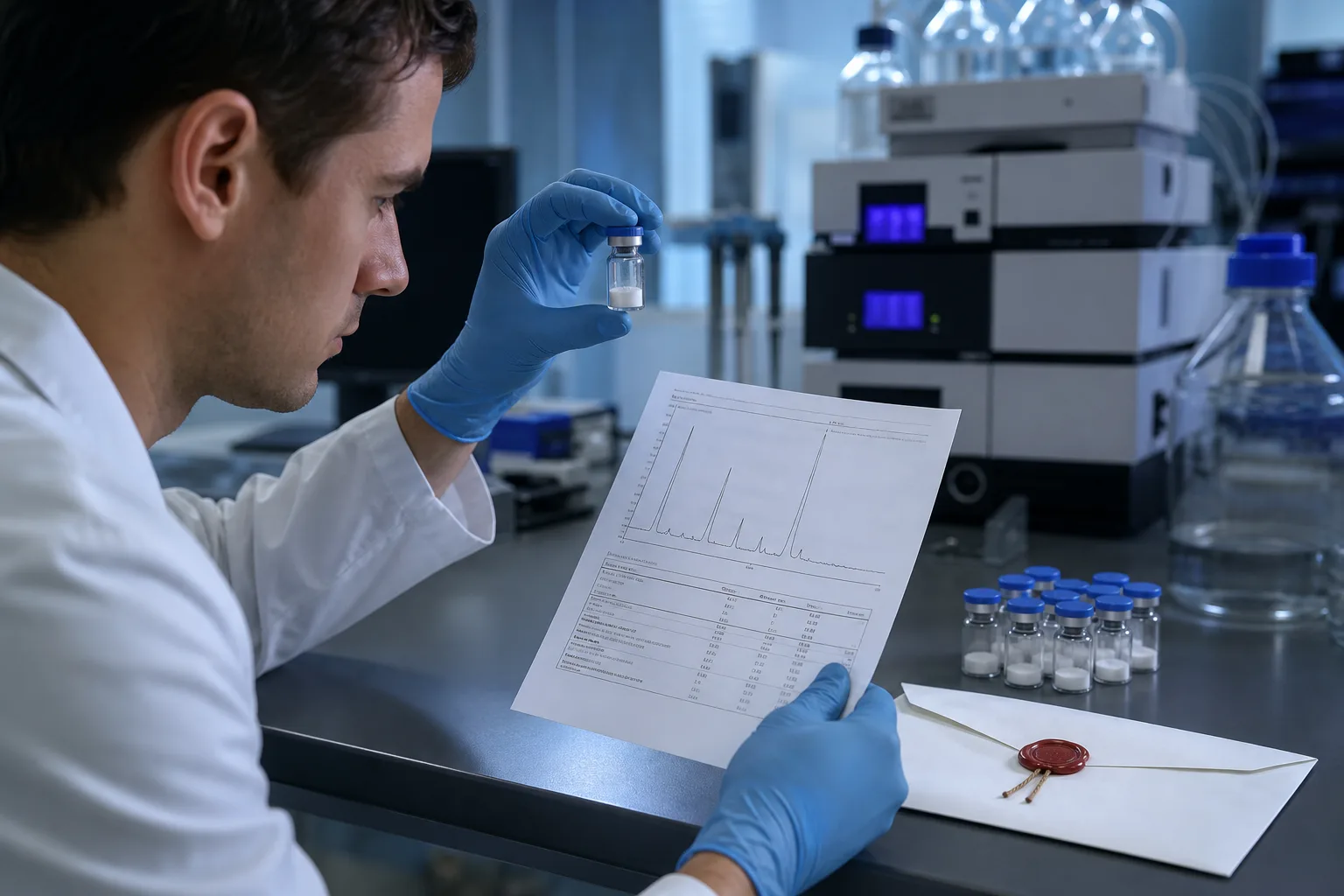
Where to buy BPC-157: research vendors vs compounded clinic channels, COA checks, and why human evidence is limited....
Chronic injuries, particularly tendinopathies and ligament tears, are notoriously difficult to heal. The primary reason is avascularity—these tissues simply do not have a robust blood supply. Without adequate blood flow, the delivery of fibroblasts, oxygen, and nutrients necessary for extracellular matrix repair is severely bottlenecked. Peptide therapy circumvents this biological limitation by forcibly inducing angiogenesis.
Body Protection Compound 157 (BPC-157) is a synthetic pentadecapeptide originally isolated from human gastric juice. In clinical settings, it has demonstrated unprecedented efficacy in accelerating the healing of everything from muscle tears to severe burns and inflammatory bowel disease.
The primary mechanism of action for BPC-157 is the targeted upregulation of Vascular Endothelial Growth Factor Receptor 2 (VEGFR2). When BPC-157 is administered, it signals the body to rapidly construct new blood vessels (angiogenesis) directly at the site of the injury. This newly formed vascular network floods the avascular connective tissue with oxygen-rich blood and the necessary building blocks for repair, effectively turning a "cold" chronic injury into a "hot" actively healing state.
Furthermore, BPC-157 has been shown to modulate the FAK-paxillin pathway, which significantly increases the survival and migration of fibroblasts—the cells responsible for laying down new collagen fibers. This means the tissue heals not only faster but with superior structural integrity compared to natural healing alone.
While BPC-157 excels at building new blood vessels, Thymosin Beta-4 (often sold as its active fragment, TB-500) excels at cellular migration and inflammation control. TB-4 is a naturally occurring peptide present in almost all human and animal cells, found in high concentrations in blood platelets and wound fluid.
TB-4 acts as an actin-sequestering protein. Actin is a vital protein that forms the cytoskeletal structure of cells. By regulating actin, TB-4 allows cells (such as macrophages and fibroblasts) to physically move and migrate to the site of an injury much faster. It effectively acts as a cellular traffic controller, ensuring the right repair cells arrive exactly where they are needed.
Clinically, the combination of BPC-157 (for angiogenesis) and TB-500 (for cellular migration) is considered the "Wolverine Stack." This synergistic protocol provides both the vascular infrastructure and the cellular labor force necessary for rapid, permanent tissue repair, making it highly sought after in professional athletics and postoperative recovery.
When discussing muscle healing, we must differentiate between hypertrophy (the enlargement of existing muscle cells) and hyperplasia (the creation of entirely new muscle cells). Traditional resistance training primarily induces hypertrophy. However, severe muscle tears often require hyperplasia for complete structural repair.
Insulin-Like Growth Factor 1 (IGF-1) is the primary mediator of the effects of Growth Hormone. The synthetic variant, IGF-1 LR3, has an extended half-life, allowing it to remain active in the muscle tissue for over 20 hours. When injected locally into a damaged muscle, IGF-1 LR3 forces satellite cells (muscle stem cells) to activate, proliferate, and fuse with existing muscle fibers. This process not only repairs the torn tissue but actually creates new muscle nuclei, fundamentally altering the genetic potential of the muscle belly.
While the regenerative capabilities of angiogenic and actin-regulating peptides are profound, they should not replace structural orthopedic assessments. Complete ruptures (Grade 3 tears) of major ligaments (such as the ACL) still require surgical intervention. Peptide protocols should be viewed as powerful adjunct therapies to accelerate post-surgical recovery and resolve chronic, low-grade tendinopathies that have failed physical therapy.